
 buy
buyLand and farms for sale in Gabès
15 listings found
buy buy
buy buy
buy2 DT
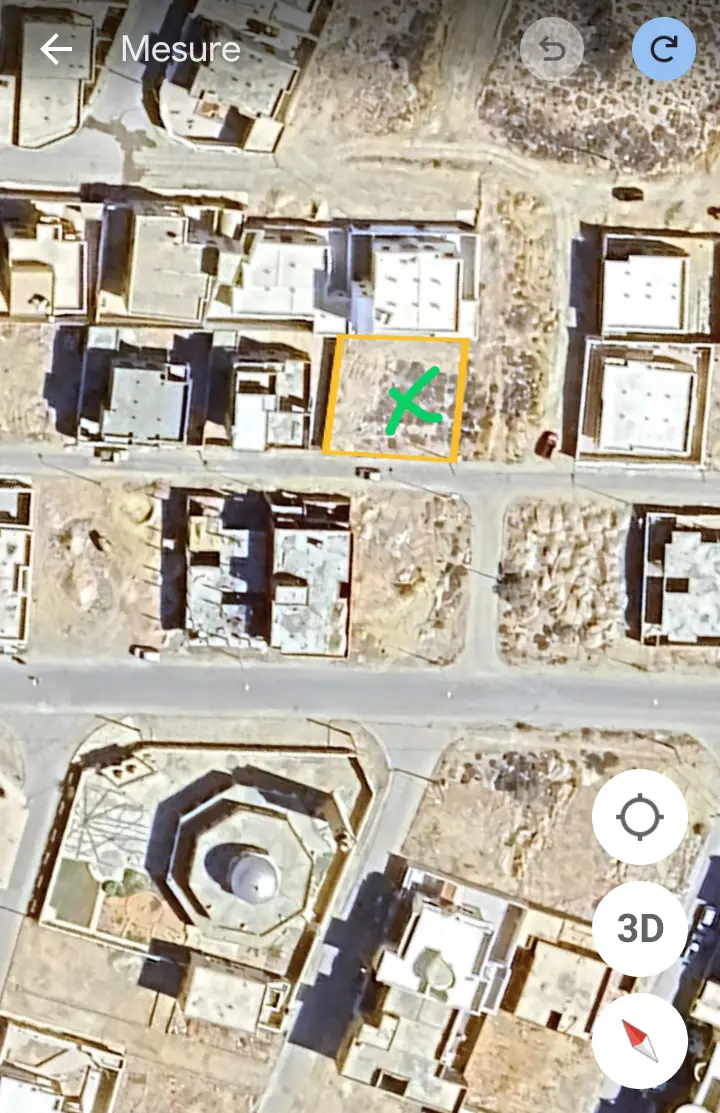
أرض استراتيجية على الطريق السيارة A1 – فرصة استثمار نادرة في قابس
Zrig Eddakhlania, Gabès
90271 m²
 buy
buy buy
buy buy
buy buy
buy buy
buy buy
buy buy
buy buy
buy buy
buy buy
buy buy
buy buy
buyBrowse more property listings in the same area
Browse other popular searches in one click.
The governorate of Gabès packs very different kinds of land into a small area. There is the coastal oasis, a rarity in the Mediterranean, where palm trees grow almost down to the beach. There are the housing estates eating into the edges of the town. There are rain-fed olive groves and grazing land towards Mareth and El Hamma, and, further south, the jessour of Matmata, small cultivated terraces that hold back the water of the wadis. Land for sale in Gabès can therefore be a 300 m² plot or a farm of several hectares, and the rules are not the same.
The listings on this page are mostly posted by private sellers, whom you contact directly. The online supply is limited and varies from week to week: a lot of land still changes hands through personal contacts before it is ever advertised. Summer, when emigrants come home, is the time when the most parcels are put up for sale.
Building plots: the edges of the town
Demand is strongest for building plots. Gabès, squeezed between the sea and its oasis, is spreading south, west and north towards Ghanouch. Approved housing estates offer plots of a few hundred square metres, with roads laid out and utilities close by. They are mainly in Gabès Sud and Gabès Ouest; the land for sale in Gabès Sud gives an idea of the sought-after areas.
In Ghanouch, plots are often larger for the same price, but the distance to the industrial zone weighs on value: a plot far from the industrial coastline sells better. The page of land for sale in Ghanouch explains this trade-off. In every case, ask for a planning certificate or check with the municipality what the parcel is zoned for and how high you can build. Be wary of plots sold on a simple subdivision plan outside an approved estate: building permits are often refused there, and getting water and electricity connected becomes a long battle.
Oasis parcels: buying water as much as soil
From Chenini to Ghanouch and as far as Kettana on the Mareth road, the oasis is split into small parcels, fragmented by inheritance and farmed in layers: palm trees, pomegranate trees, then vegetables and fodder on the ground. Their value lies in the water right. The springs of the past have largely dried up, irrigation depends on boreholes and water rotas managed collectively, and in several areas the rotas come round less often. Ask how many times the parcel is watered in high summer and whether the water right really goes with the land when it is sold. The land in Gabès Ouest, around Chenini and Nahal, is a good example.
An oasis parcel is agricultural land: you cannot build on it, and any listing that suggests otherwise calls for the utmost caution.
Farms, olive groves and inland land
Beyond the oasis, the landscape turns to steppe. In Mareth, rain-fed olive trees, pasture and a rainwater cistern make up the typical farm; see the land and farms for sale in Mareth. In El Hamma, hot water from the boreholes has allowed geothermal greenhouses to develop, and land is valued according to access to this resource. In Matmata, jessour parcels rarely come up for sale and mostly interest families from the village.
Rain-fed land sells for far less per hectare than an irrigated parcel, but its yield follows the rainfall. Count the trees, ask for the harvests of recent years, and check that a borehole is authorised before relying on one. A visit with a neighbouring farmer is often worth more than all the photos.
Title, joint ownership and collective land
In the south, part of the land is not registered, and many parcels are held jointly by an extended family. Some land still has collective status, with its own rules for transfer. Insist on the exact status of the title and the list of rightful owners, and have every document checked by a notary or a lawyer. To compare with other regions, the national page of land and farms for sale is a useful benchmark.