
 buy
Land and farms for sale in Siliana
2 listings found
buy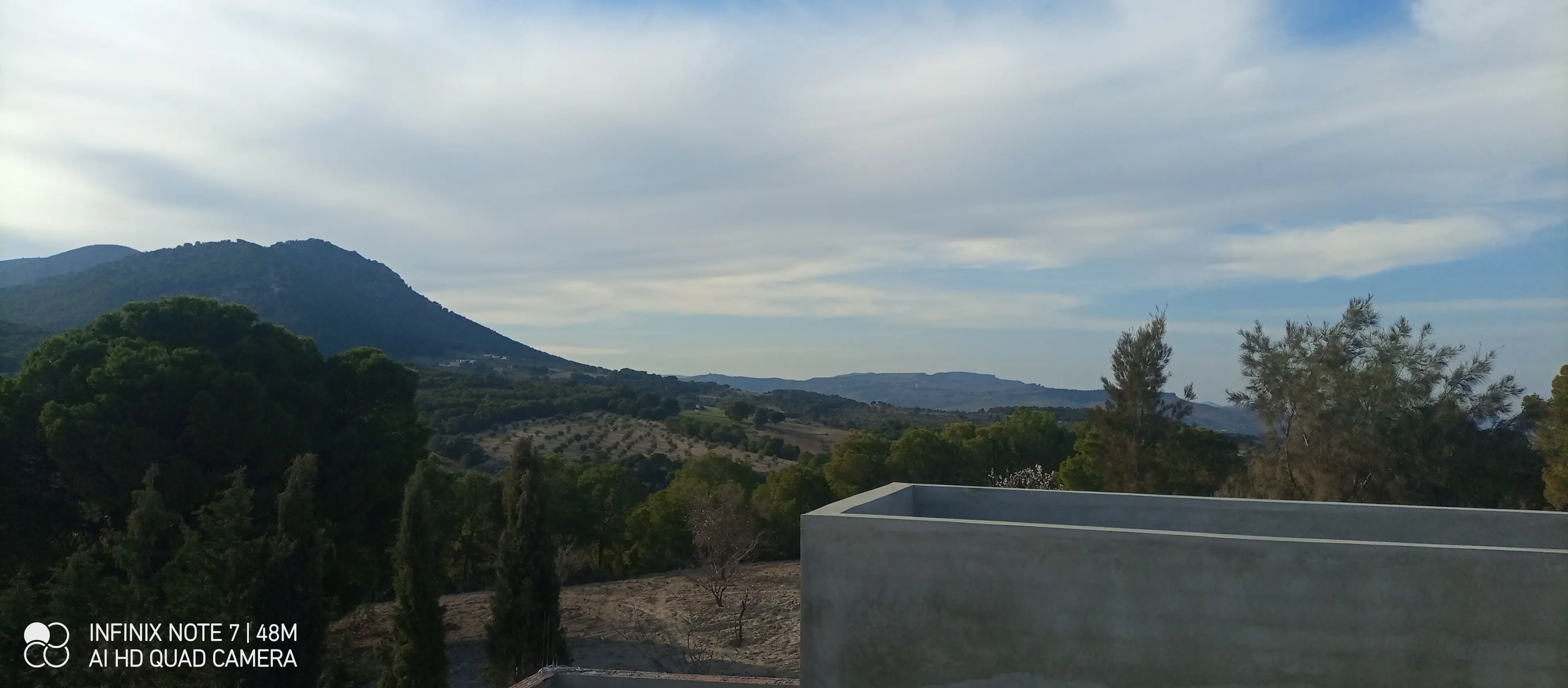 buy
Browse more property listings in the same area
Browse other popular searches in one click.
The governorate of Siliana reads like a cross-section of the High Tell. In the north, around Gaâfour, Bourouis, El Krib and Bou Arada, broad cereal plains that the combine harvesters cross in June. In the centre, the town of Siliana and its two delegations, ringed by hills. In the south, Makthar, Kesra and Rouhia climb towards colder, drier uplands, where olive trees, almond trees and sheep take over from wheat. Looking for land for sale in Siliana starts with choosing one of these three areas.
Here, land is handed down more often than it is sold. Listings come mostly from private owners, often a family settling an inheritance, and supply varies with the seasons. This page brings together agricultural land, farms and building plots from every delegation, so you can compare before taking to the road.
The northern plains: wheat land sold by the hectare
Between Bou Arada, El Aroussa and Gaâfour, the soil is deep and fairly flat. This is the land of field crops, durum wheat, barley, sometimes fodder, and prices are worked out per hectare. Plots are larger here than elsewhere in the governorate and attract established farmers looking to expand their holdings. The relative closeness of Tunis also counts: a farm served by a tarmac road sells faster, and for more, than a plot isolated at the end of a dirt track.
El Krib and Bourouis, further west, keep the same cereal character with more rugged terrain. Between two neighbouring plots, the price gap often comes down to details you only notice on site: a gully cutting across the field, stony soil over part of the surface, a slope the combine avoids. Agricultural land for sale in Siliana is judged by walking it, not from a photo.
Makthar, Kesra, Rouhia: olives, almonds and grazing land
In the south, the landscape changes. Around Makthar and Kesra, the high plateaus carry olive groves, almond trees and cereals on the best plots; winters are harsh, sometimes with snow. Bargou, backed against its jebel, mostly offers small foothill plots. Rouhia, on the edge of the steppe, leans more towards livestock and grazing land. Prices per hectare are much lower than in the north, but so are yields, and a buyer from elsewhere should have someone explain what a plot really produces in a dry year.
The south of the governorate is also where you find the most collective land, long managed in common and kept off the market. Land with this status does not sell like a titled plot: without a regularised individual allocation, a deed signed before a public scribe offers the buyer little protection. Before committing to anything, ask exactly which document the seller holds.
Building plots: in the main town and the market towns
Building land forms a second, more urban market. In Siliana town, plots in approved subdivisions attract civil servants and families who want to stop renting; in market towns such as Gaâfour, Bou Arada or Makthar, demand comes mainly from locals living elsewhere who build with a view to coming home. A serviced plot within a development plan costs more than a strip of field on the edge of town, but only that kind of plot gets you a building permit without detours. To gauge what a finished house costs in the same areas, the page of houses for sale in Siliana governorate is a useful benchmark.
Around the main town, the delegation of Siliana Sud mixes both markets, plots on the outskirts and farmland a little further out. Its listings are grouped on the page of land and farms for sale in Siliana Sud, with details of its rural sectors.
Water, access, paperwork: what really sets the price
Water first. Most land is farmed without irrigation, and a well or borehole only adds value if it is authorised and productive. Ask for the permit issued by the regional agricultural development office, the depth and the flow measured at the end of summer, not in spring. A plot inside a public irrigation scheme, downstream of a dam, follows its own rules on water rotation and fees: have them spelled out.
Access next. A track that is passable in July can turn into a quagmire after the January rains, and a farm a lorry cannot reach loses much of its appeal. Paperwork last: an up-to-date land title, the full list of heirs, boundary marking by a surveyor, and confirmed land-use zoning if you plan to build. Farmland does not become building land because the seller says so.
On Houni, you call the owner or the agency behind the listing directly. For a search that goes beyond the governorate, all land and farms for sale in Tunisia let you compare with Le Kef, Béja or Zaghouan.