
 buy
Land and farms for sale in Siliana Sud
2 listings found
buy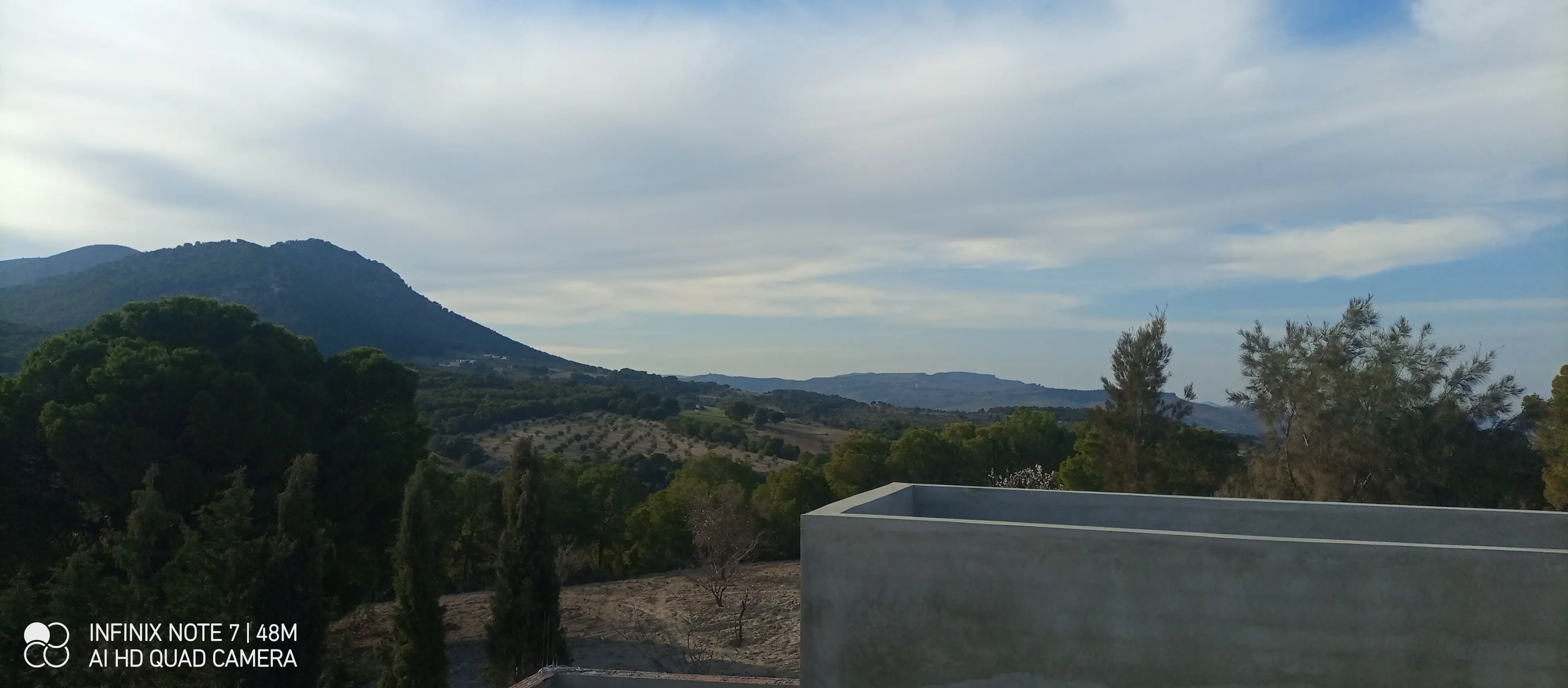 buy
Browse more property listings in the same area
Browse other popular searches in one click.
Siliana is wheat country. In this governorate of the High Tell, the plains and valleys are covered with cereals in spring, the hills carry olive trees, and the drier uplands serve as grazing land for the flocks. The delegation of Siliana Sud covers part of the main town and a countryside where land remains the families' first asset: it is inherited, divided, rented to a neighbour for the season, and more rarely sold.
Listings of land for sale in Siliana Sud are therefore rare, posted by private owners, and the supply varies from one season to the next. To compare with Bou Arada, Gaafour or Makthar, all the land and farms for sale in the Siliana governorate give a broader view of the regional market.
Cereal land, olive groves and grazing land
Wheat and barley land is the most typical category. It sells by the hectare, at a price that depends on the depth of the soil, the slope and how easily combine harvesters can reach it. A flat parcel that can be ploughed mechanically and lies near a road is worth considerably more than sloping land cut by gullies, even if larger. Yields follow the rain: ask the seller what the parcel produced in a normal year and in a dry year.
The olive grove forms the second category. Plantations have spread across the region in recent decades, and an olive grove of productive age is priced according to the number of trees and their upkeep. Grazing land, finally, in the foothills or on poor soils, is the cheapest and mainly interests sheep farmers.
Essefina, Sidi Morched and the edge of town
The delegation includes several rural sectors. Essefina and Sidi Morched each have their own page: the land for sale in Essefina and the land for sale in Sidi Morched bring together the listings for these areas. You mostly find farmland there, sometimes a small farm with a house, a cowshed and a cistern.
On the edge of the town of Siliana, the market is different: building plots for detached houses, sought after by civil servants, teachers and families who want to stop renting. A serviced plot in an approved subdivision costs more than a parcel carved out of a field, but it avoids unpleasant surprises when applying for a building permit.
Checks before signing
The land title comes first. In the Tell, much land has long been registered, but in the name of an ancestor whose estate was never divided. Have the situation checked at the land registry, require the signatures of all heirs, and have the parcel marked out by a surveyor: the boundaries between cereal fields often come down to a single furrow.
Land use comes next. Farmland does not become buildable just because someone wishes it, and land of high agricultural value is protected. If you want to build, choose a plot within the urban perimeter or have the municipality confirm what is allowed.
Water, finally: most land is farmed without irrigation. A well, a spring or a connection to an irrigated scheme changes the value of a farm; ask for the authorisations and the actual flow.
The farming calendar drives sales
Transactions follow the rhythm of the harvests. A seller of wheat land often waits for the harvest, in June and July, to bank the season before selling; an olive grove owner prefers to sell after the winter picking. Summer also brings back heirs settled in Tunis or abroad, which makes it easier to gather the signatures.
Visit cereal land in spring, when the crop is in place: you can see what the soil produces. On Houni, the owner posts the listing himself and you call him directly; from the first contact, ask about the surface area, the title, the access and the harvest history.