
 buy
150 000 DT
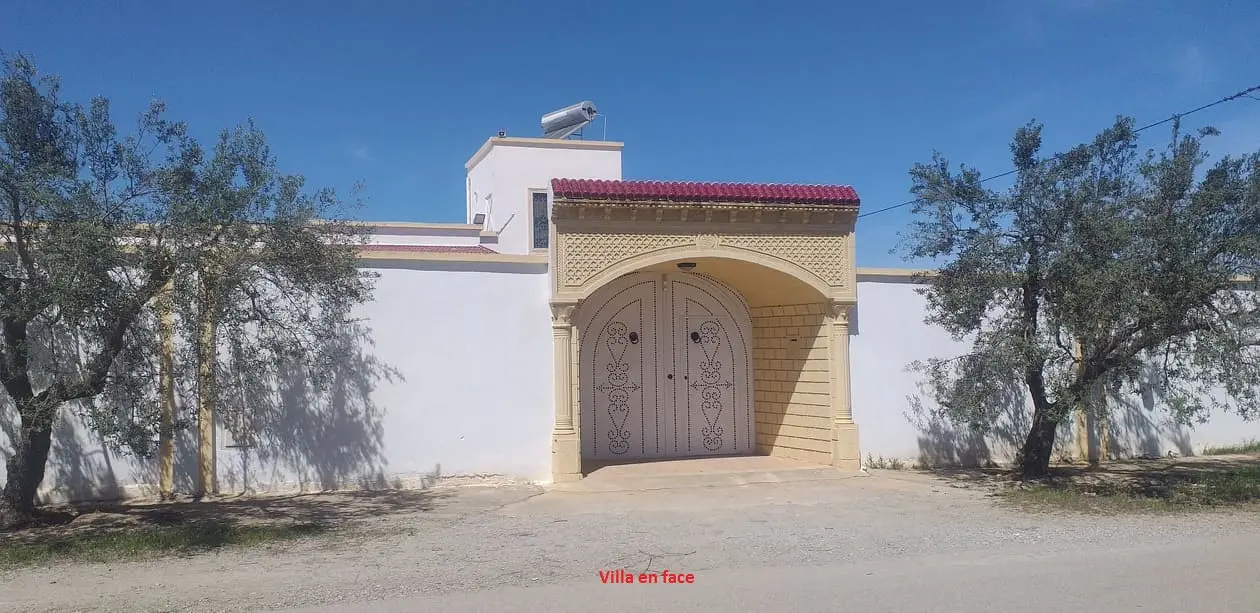
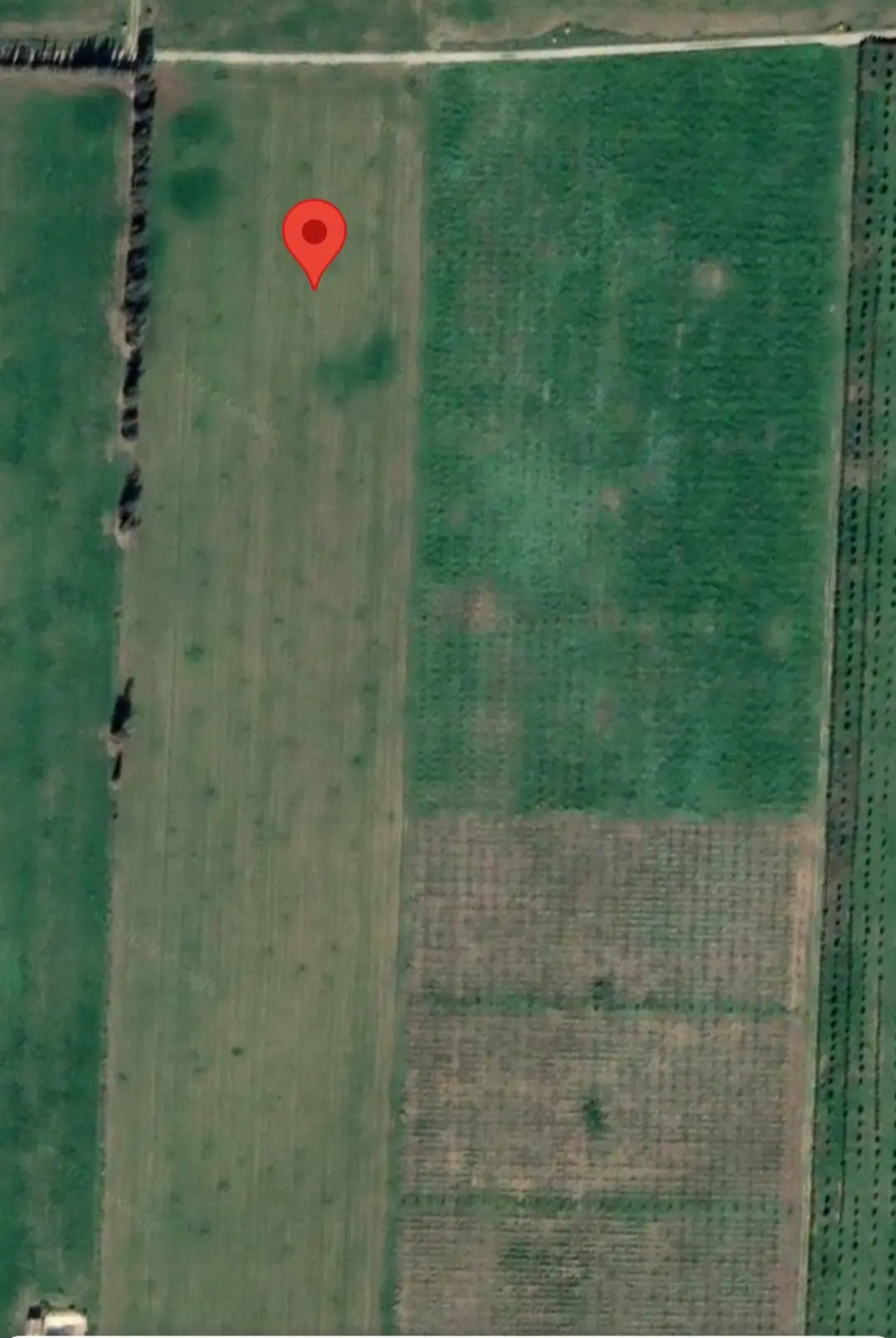
lot de terrain à zaghouan de 1000 m² à 2 mn du centre ville
Zaghouan Sud, Zaghouan
1 1 1000 m²
buy150 000 DT
Zaghouan Sud, Zaghouan
 buy
150 DT
Jebel Oust, Zaghouan
 buy
 buy
 buy
Browse other popular searches in one click.
Zaghouan governorate is farming country first and foremost. Between the grain plain of El Fahs, the olive-covered hills of Ezzeriba, the Oued Miliane valley around Bir Mchergua and the slopes of Jebel Zaghouan, people here buy hectares more often than housing-estate plots. Being close to Tunis, an hour's drive or less depending on the delegation, brings in a second type of buyer: Tunis residents looking for a weekend farm or an investment in olive trees.
Listings of land for sale in Zaghouan are mostly posted by private owners, with a few agencies handling properties close to the capital. Supply varies from week to week and is richer in the north of the governorate. On Houni, you call the owner directly, so you can ask the questions that matter straight away: area, access, water, title.
Bir Mchergua is the northern gateway. This is where pressure on land is strongest, because the drive to Tunis stays short and the industrial zone draws workers and investors. You will find valley land, orchards and building plots around the built-up areas. The listings of land and farms for sale in Bir Mchergua describe this two-sided market, part farming, part suburban.
El Fahs, to the south-west, is wheat and barley country. Plots there are larger and flatter, easy to work with a tractor, and the price per hectare is usually lower than in the north. This is the area to look at for a cereal farm or sheep rearing, less so for a country house with a view.
Around the governorate capital, the mountain changes everything. Its springs have made Zaghouan famous since the Roman aqueduct; foothill plots often have a little more water than elsewhere and cooler air in summer. The land and plots for sale around Zaghouan town combine building plots in the newer extensions with small hillside farms. Finally, Ezzeriba offers terraced olive groves and stony land around Jeradou and Hammam Zriba: cheaper, harder to farm, and sought after for the scenery. The pages on land for sale in Ezzeriba cover these hills in detail.
Three groups of buyers meet here. The local farmer wants to expand and judges land on soil depth, slope and recent yields. The Tunis buyer wants a farm in Zaghouan with a well, a fence, a small house and a paved road right up to the gate. The project developer has livestock, fruit growing, aromatic plants or rural tourism in mind.
It is the last two who push prices up on well-served plots. A farm with electricity on a main road can be worth several times as much as land of the same size at the end of a track that becomes impassable after the autumn rains. Prices remain well below those of Greater Tunis or Cap Bon, but the gaps within the governorate are wide: always compare access before comparing the price per hectare.
Agricultural land in Zaghouan cannot be built on by default. Rules protecting farmland are strict, especially near Tunis, and part of the Jebel's slopes belongs to the state forest and the national park, which are not for sale. For a building plot, ask the municipality whether the land lies within the development plan; for rural land, check with the regional agricultural services. A promise to change the land's zoning is worth nothing until the authorities put it in writing.
Next, the title. Much of the land in the region is held jointly by heirs, or rests on old deeds that were never registered. Insist on an up-to-date land title, have the plot marked out by a surveyor and collect the signatures of every co-owner, including those living abroad. Foreigners cannot buy agricultural land in Tunisia, which rules out some projects from the start.
Finally, water. Ask whether the well or borehole is licensed, what it yields at the end of summer and whether electricity reaches the pump. Irrigated land can carry market gardening or fruit trees; dry land stays with wheat, olives and grazing.
Grain land is best judged in spring, when the crop is in the ground, and olive groves in autumn before the harvest, when you can see how heavily the trees are bearing. Winter shows the real state of the tracks and how water runs off the slopes. Summer brings back heirs who live in Tunis or abroad, and that is often when jointly owned land finally gets sold.
If you would rather have a house already built with its land than a bare plot, the property for sale in Zaghouan governorate brings together houses, separate floors and apartments. To compare with neighbouring regions, the page on land and farms for sale in Tunisia covers the whole country.