
 buy
Land and farms for sale in Ezzeriba
1 listing found
buyBrowse more property listings in the same area
Browse other popular searches in one click.
Ezzeriba, which everyone calls Zriba, is a delegation of hills and plains in the Zaghouan governorate. It is known for Zriba El Olia, the old hilltop village abandoned by its inhabitants in the last century, for the Hammam Zriba thermal spa and for its foothill villages such as Jeradou. But for those who live there, it is first of all a land of olive trees, cereals and livestock, where land passes from father to son.
Listings of land for sale in Ezzeriba are rare, posted by private owners, and the supply is limited from week to week. To widen the search to Zaghouan town, El Fahs, Bir Mchergua or Nadhour, all the land and farms for sale in the Zaghouan governorate bring together the offers in the region.
Olive trees, cereals and hillside land
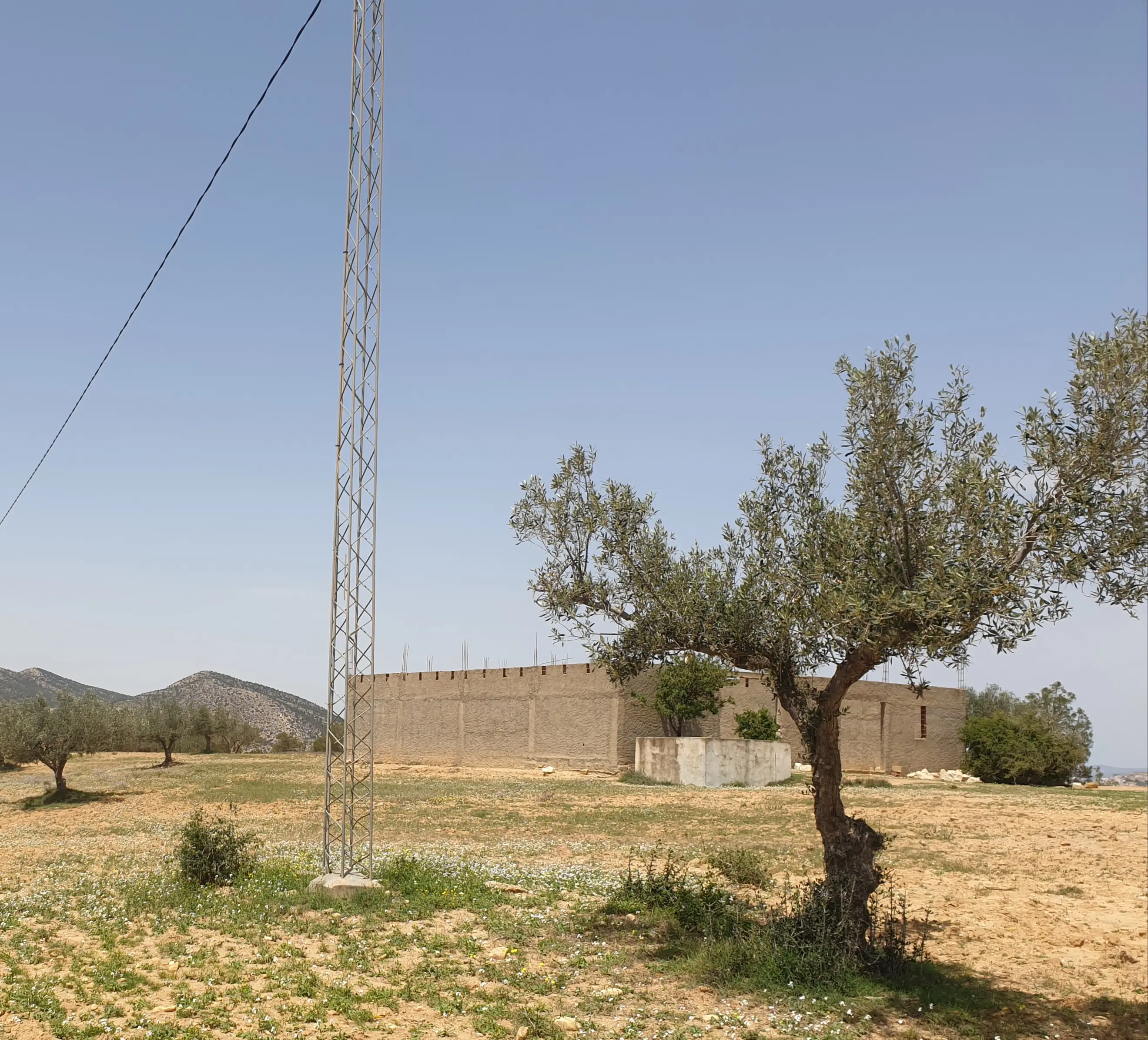
The olive grove is the most common agricultural asset. It is priced according to the number of trees, their age and their upkeep in recent years; a young plantation, pruned and ploughed, can be spotted at first glance and is worth considerably more than a neglected old orchard. Plain land, given over to wheat and barley, sells by the hectare, and its price depends on soil quality and how easily farm machinery can reach it.
On the slopes, parcels are smaller and stonier, often planted with terraced olive trees or left for grazing. They cost less, but farming them demands more manual work. This hillside land also attracts buyers who are not after a yield but a setting: a view of the Zaghouan mountain, some peace and quiet, a place to build a country house if the regulations allow it.
Jeradou and the foothill villages
Jeradou is one of the best-known villages in the delegation, clinging to the hillside among the olive trees. The sector has its own page: the land for sale in Jeradou brings together the listings for this area. You mostly find small agricultural parcels there and, more rarely, an old village house with its land.
Around the main town and the villages, a few building plots sell to local families or to people from the area who left to work in Tunis or the Sahel. A plot served by a road, drinking water and electricity can be built on without difficulty; an isolated parcel among the olive trees raises the question of connections and, above all, that of the building permit.
What to check
Land use first. Farmland is not buildable by default, and the rules are strict around heritage sites and natural areas. If your project is a house, have what is allowed confirmed before signing.
Then the title. Many parcels are passed down through inheritance without a formal division, and some are not yet registered. Have the situation checked at the land registry, gather the signatures of all heirs and have the parcel marked out by a surveyor: on sloping land, boundaries often follow a low wall or a row of trees rather than a plan.
Water, finally. Most land is farmed without irrigation. An authorised well, a spring or a cistern changes the value of a farm; ask for the authorisations and the actual summer flow.
Visiting at the right time
The calendar follows that of the olive tree. Owners often wait for the end of the picking, in winter, to discuss a sale; autumn, before the harvest, is the best time to judge the trees' crop. Cereal land is visited in spring, when the crop is in place. Summer brings back heirs settled elsewhere, which makes sales of jointly owned land easier.
On Houni, you call the owner directly. From the first contact, ask about the surface area, the number of olive trees, the status of the title and the access: a track passable in rainy weather makes all the difference in the hills of Zriba.