
 buy
buyLand and farms for sale in Korba
19 listings found
buy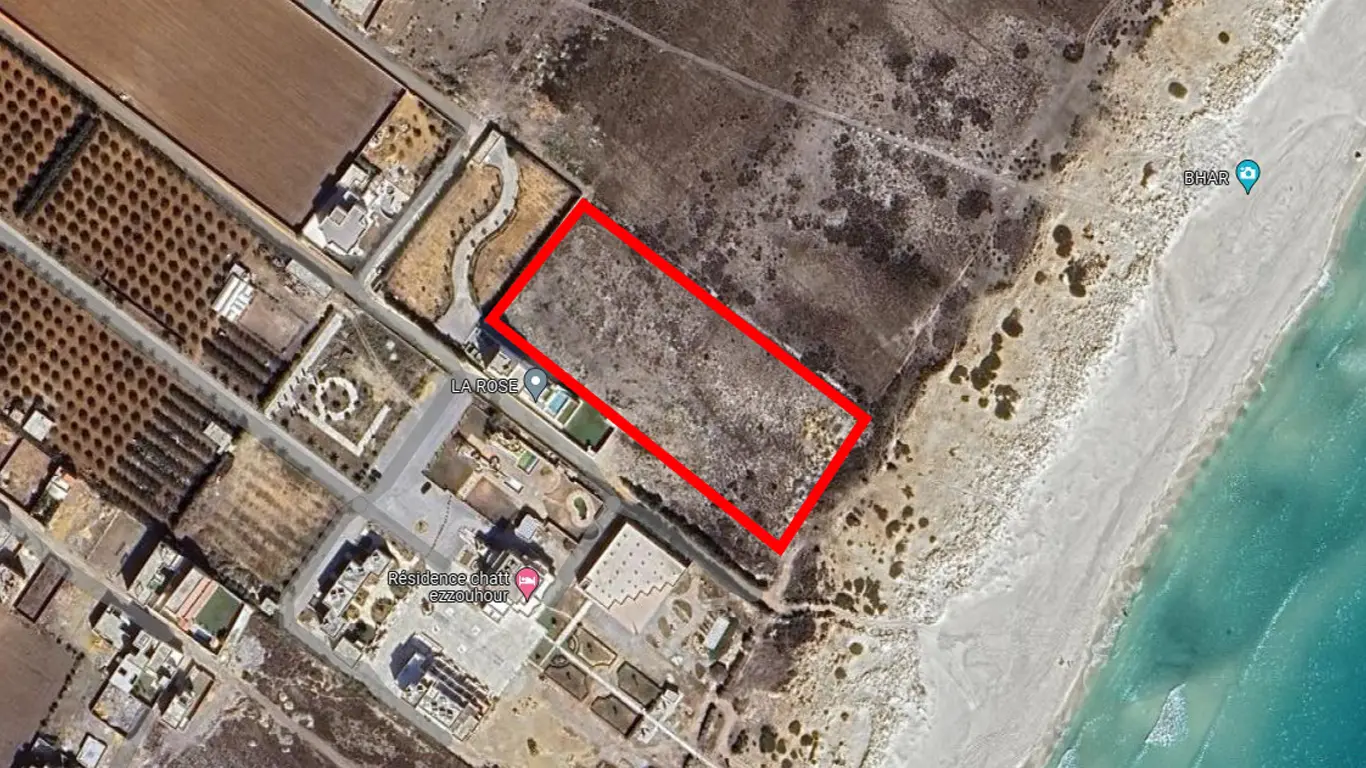 buy
buy buy
buy buy
buy buy
buy buy
buy1 600 000 DT
A Vendre Terrain Pied Dans L'eau 1.6 Hectare Situé à Lebna,Nabeul
Korba Ouest, Nabeul
1 1 16000 m²
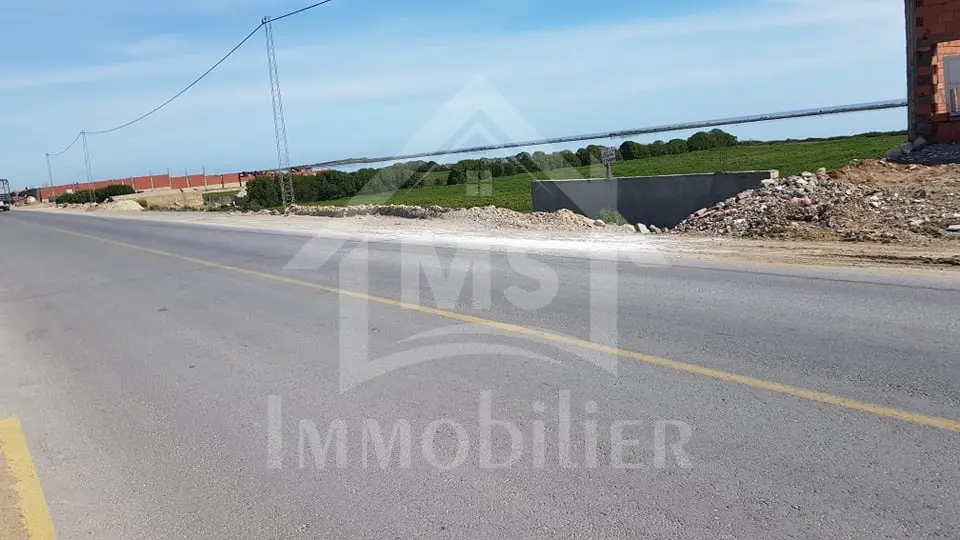 buy
buy360 000 DT
Terrain de 2450 m² pieds dans l'eau à vendre à Korba 51355351
Korba Est, Nabeul
1 1 2450 m²
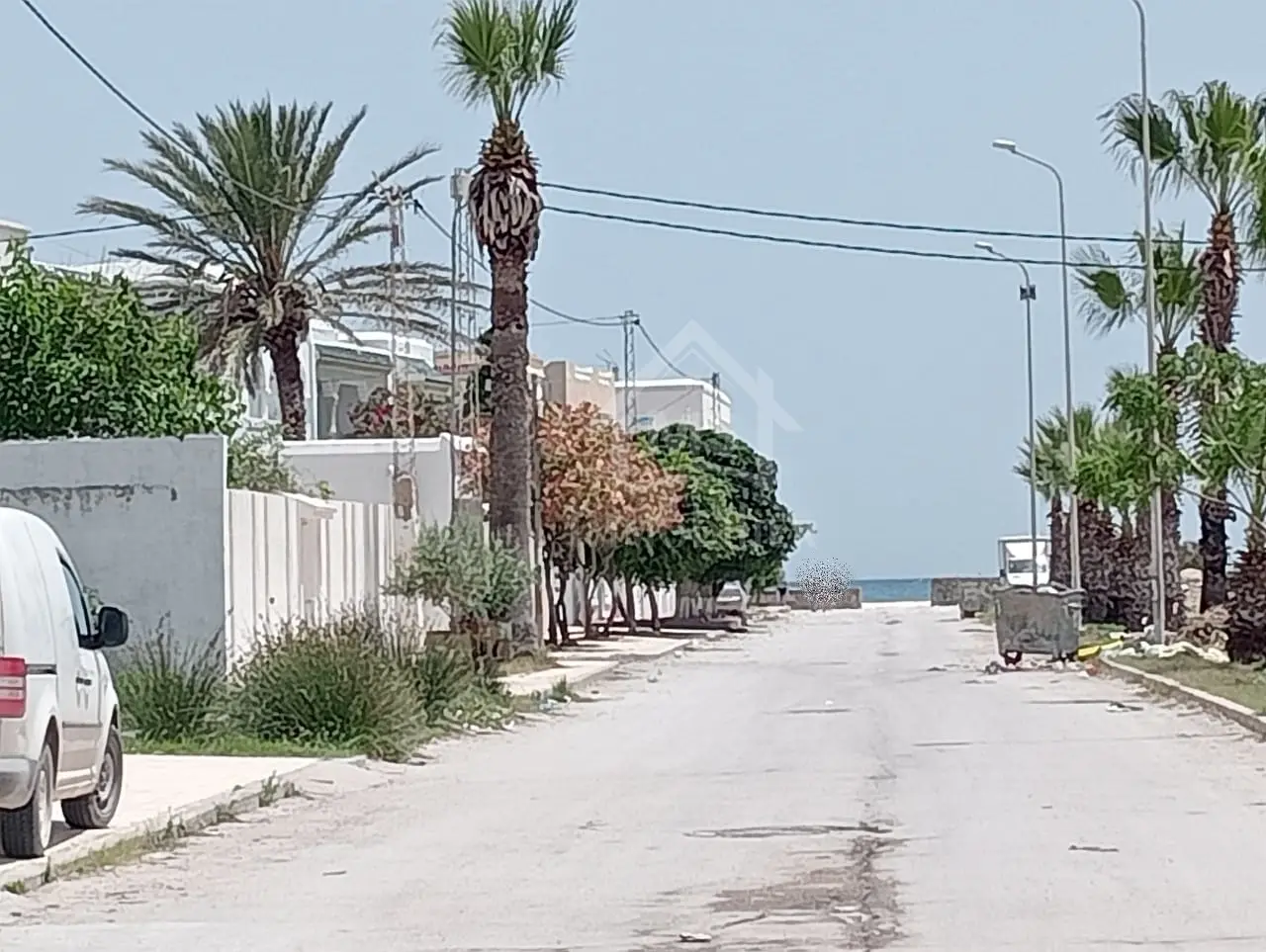 buy
buy740 000 DT
Terrain titré de 870 m² pied dans l'eau à vendre à Korba 51355351
Korba Est, Nabeul
1 1 870 m²
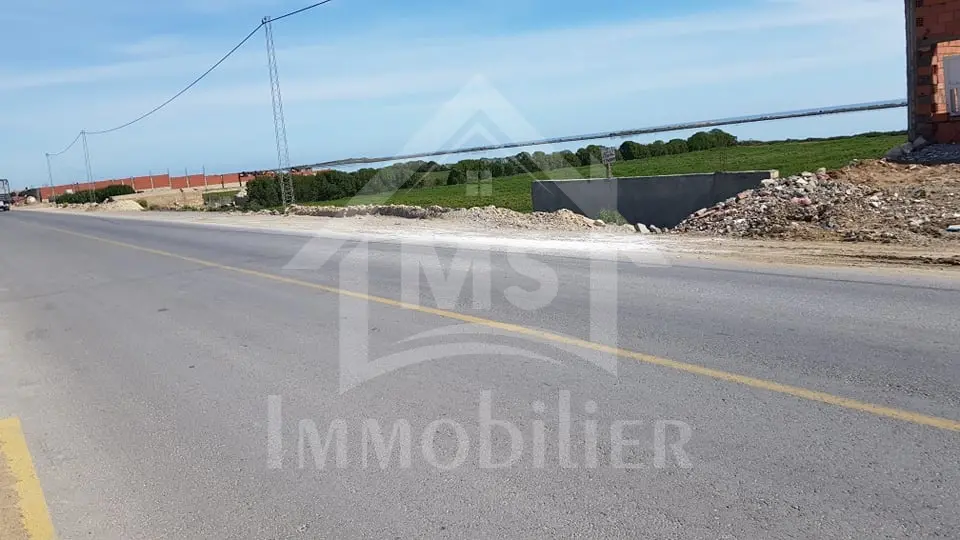 buy
buy360 000 DT
Terrain de 2450 m² pieds dans l'eau à vendre à Korba 51355351
Korba Est, Nabeul
1 1 2450 m²
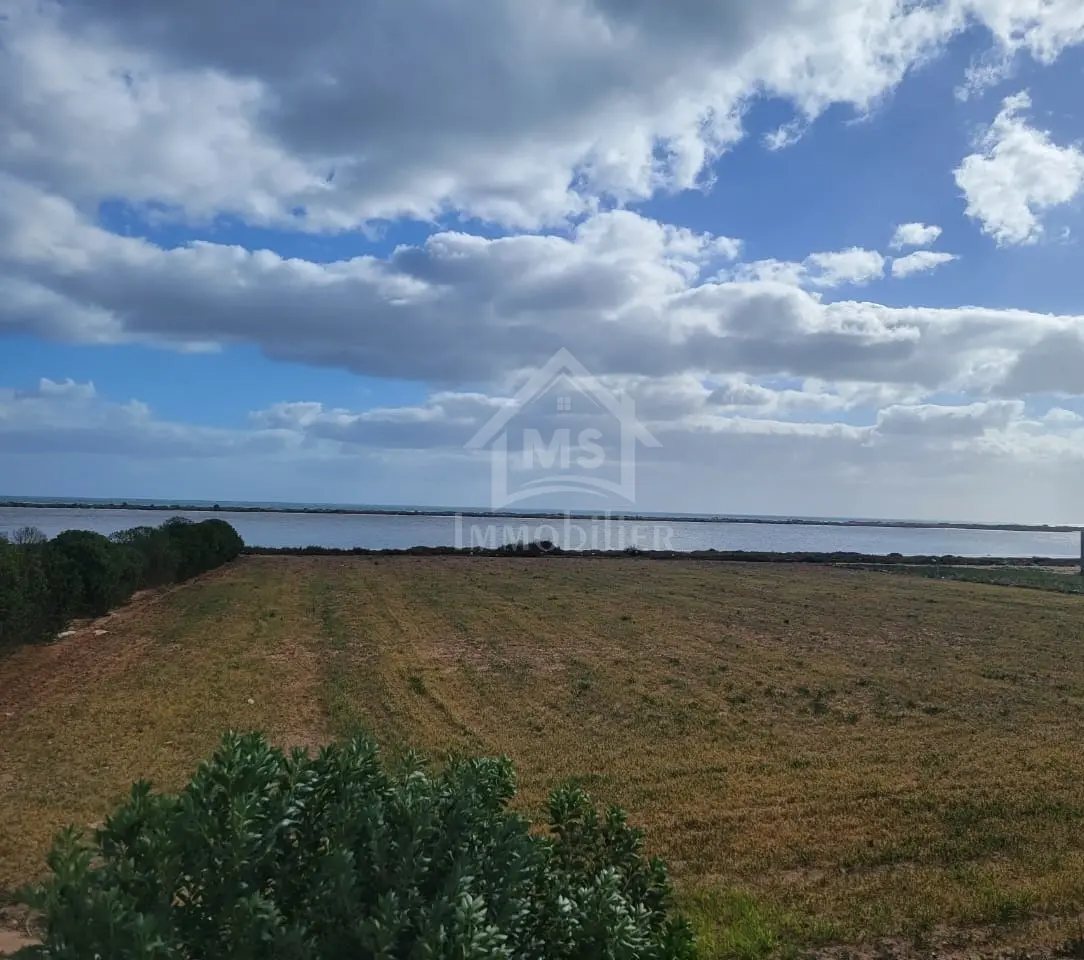 buy
buy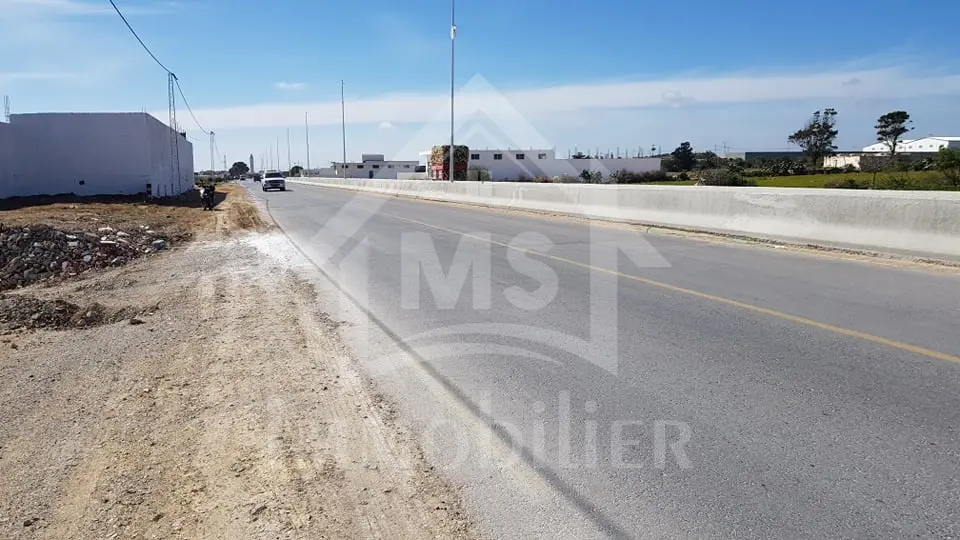 buy
buy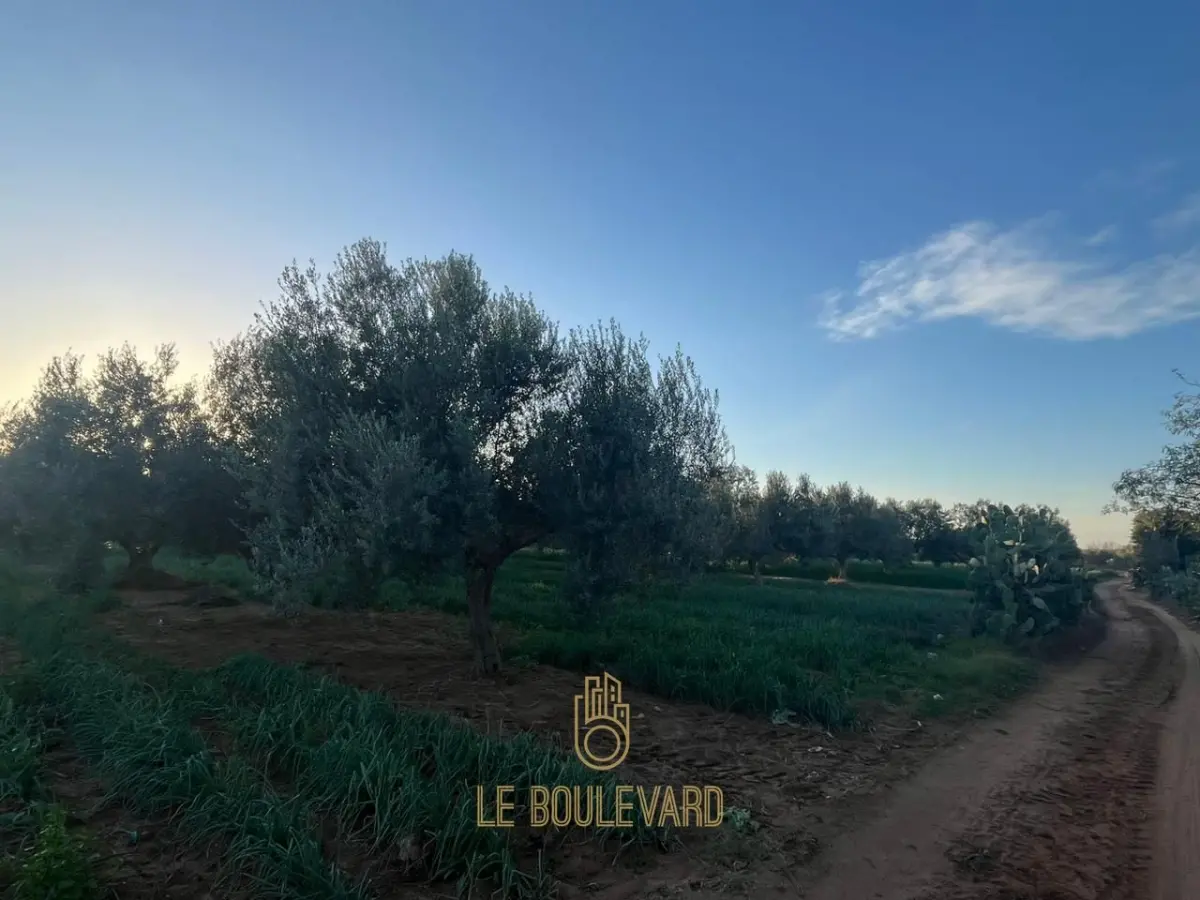 buy
buy buy
buy buy
buy buy
buy buy
buy buy
buy buy
buyBrowse more property listings in the same area
Browse other popular searches in one click.
Land is, by far, what sells most in Korba. The delegation covers one of the most productive farming plains in Cap Bon, where processing tomatoes, chilli peppers, citrus and greenhouse crops take up most of the ground, and a coastal strip running from the Korba lagoon to Tazerka beach, where housing estates advance year after year. Land for sale in Korba can therefore be a 300 m² plot on a serviced estate just as well as a five-hectare farm with its well and its shed.
On Houni this is the best-stocked page in the delegation, with several dozen listings posted by private owners, heirs and a few Nabeul agencies. The reader deals directly with the advertiser. To compare prices per square metre or per hectare with Menzel Temime, Beni Khalled or Grombalia, all the land and farms for sale across the Nabeul governorate can be browsed on a single page.
Building plots: Korba Est, Korba Ouest and Tazerka
Building plots are found first in the extensions of Korba Est, between the town and the sea, on approved estates where water, electricity and sewerage are in place or on the way. Plots are most often between 250 and 500 m², bought by Korba families who build in stages and by emigrants preparing their home for the return. Korba Ouest, on the road side, offers slightly cheaper plots closer to shops and schools.
Tazerka draws a different clientele: buyers from Tunis or abroad who want seafront land in Korba for a holiday home. Plots near the beach are rare and dear, and their price per square metre can reach several times that of an ordinary plot in Korba Ouest. Before any commitment, ask for the planning certificate: part of the low-lying land, towards the lagoon and the wetlands, cannot be built on, and the coastal strip is subject to the setback of the public maritime domain.
Farmland: Garaet Sassi, Boulidine and the plain
The Garaet Sassi and Boulidine areas, inland, are the farming heart of the delegation. Parcels of one to ten hectares, sometimes more, are sold there, planted with citrus or olives, or as bare land meant for tomatoes and chilli peppers in rotation. The price per hectare varies widely according to three factors: an authorised well and its flow rate, the quality of the water, and access to a tarmac road. Irrigated land with a licensed borehole and greenhouses in place is often worth several times dry land in the same area.
Water is the real issue. The Cap Bon coastal aquifer is heavily drawn on, and towards the sea the water in some wells has become too salty for sensitive crops; public irrigation schemes and recharge projects exist, but they do not cover everything. Ask for the well permit from the Nabeul CRDA, the water analysis if the seller has one, and visit in August, when the level is at its lowest. A farm with an attached dwelling is common in these areas; the building counts for little in the price, it is the land you are buying. For the house alone, the houses for sale in Korba are on a separate page.
Land use, title and joint ownership
Three legal points decide a land purchase in Korba. Land use first: farmland cannot be built on, apart from farm buildings, and a change of use is slow and uncertain; never pay a building-plot price for land zoned agricultural on the promise that it "will become buildable". Title next: a parcel with an individual land title, known as a blue title, sells and can be financed without difficulty; a parcel held on a certificate of possession or a private deed sells for less and calls for a notary and sometimes a registration procedure.
Joint ownership last: farmland on the plain is very often held by siblings, some of whom live in Italy or France. The sale needs everyone's agreement, by signature or consular power of attorney, and can take months. A buyer who wants an existing building to avoid these delays will find, among the properties for sale in Korba, the houses and rare flats of the delegation.
When to buy and who to deal with
The land market in Korba has two seasons. In summer, when emigrants come home, building plots sell between families and prices hold. Autumn and winter are better for farmland: the tomato season is over, the accounts are done, and an owner who wants to sell before the next planting is more flexible on price.
Local middlemen, the samsars, know every parcel and its family history; their commission is agreed before the visit, never after. Whoever you deal with, have the parcel marked out by a surveyor before signing: on the plain, boundaries get lost between two rows of tomatoes, and the areas advertised are often rounded up.