
 rent
rentHomes for rent in Gafsa Sud
4 listings found
rent rent
rent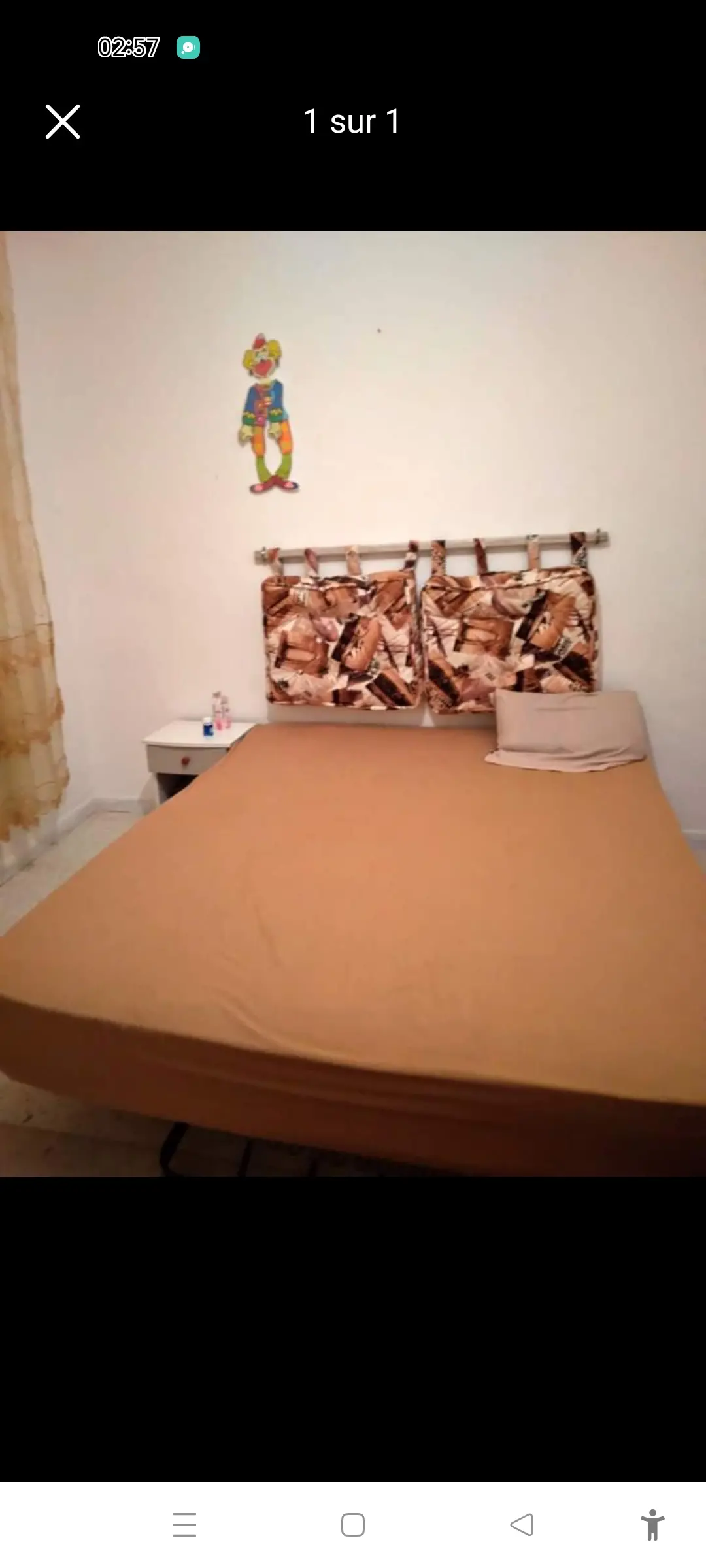 rent
rent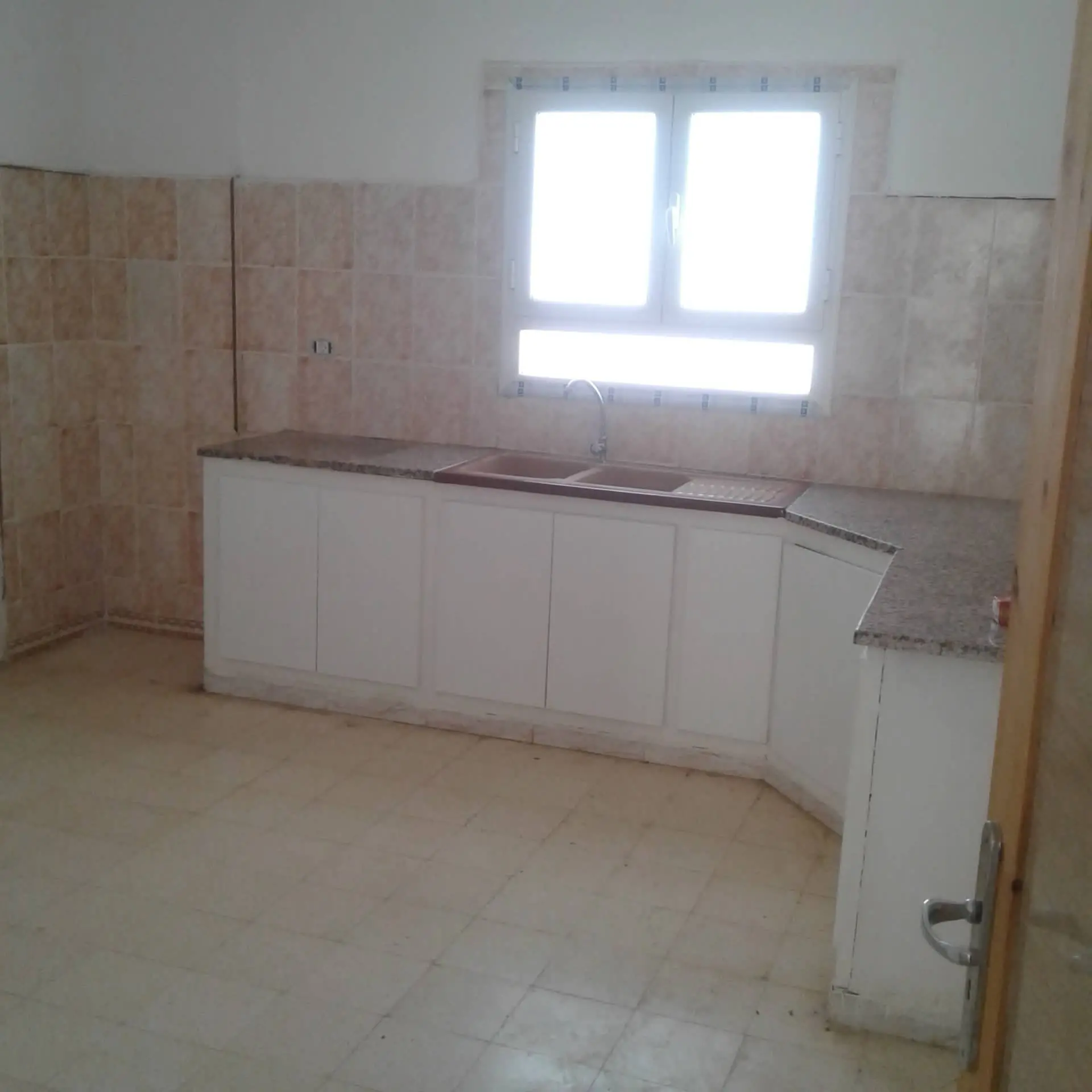 rent
rentBrowse more property listings in the same area
Browse other popular searches in one click.
- Property in El Assala
- Properties in Gafsa Ville
- Homes in Oued Ailou
- Properties in Cité Ennour
- Find property in El Moula
- Properties in Gafsa Est
- Properties in Sidi Ahmed Zarrouk
- Properties in Cité Essourour
- Homes in Cité Echabab
- Real estate in the El Aguila area
- Properties in Ennadhour
- Real estate listings in Kef Derbi
In Gafsa, you find a home through a neighbour, a cousin or a colleague before you find it through a listing. Yet the Gafsa Sud delegation covers most of the town: the centre around the kasbah and the Roman pools, Gafsa Est, Cité Echabab, Cité Ennour and Sidi Ahmed Zarrouk. This is where the civil servants live, along with the managers of the Gafsa Phosphate Company, the doctors at the regional hospital and a good share of the university's students.
What is listed online stays modest: only a few listings are live for the delegation, almost all from private owners. Houni shows them with the owner's number, which you call directly, with no middleman. If nothing fits, widen the search to all the homes to rent in Gafsa governorate, which also covers El Ksar, Metlaoui and the mining basin.
A town of houses, not blocks of flats
Renting in Gafsa means renting a house first. The typical building is a one or two-storey town house on a family plot, with a courtyard, a roof terrace and often an upper floor added for a married son. These floors, with their own entrance up an outside staircase, make up the bulk of what is for rent. An S+2 or S+3 villa floor (two or three bedrooms plus a living room) usually goes to a transferred civil servant or a young couple, and rents stay well below those in Sfax or Tunis, even if well-finished properties are getting scarce.
Blocks of flats exist mostly in the centre and along the main avenues, and there are not many of them. If only a flat will do, the page for apartments to rent in Gafsa Sud isolates that supply; for a whole house with a courtyard, look at the houses to rent in Gafsa Sud instead.
Cité Echabab, Cité Ennour and the centre
The searches that bring people to this page say it plainly: they want a house to rent in Cité Echabab, Gafsa, or a house to rent in Cité Ennour. Both are residential estates laid out in plots, with planned streets, family houses and neighbourhood life around the mosque, the school and the local shops. Rents there are reasonable and families stay a long time, which is why listings only trickle out.
Gafsa town, the old centre, keeps its older houses near the oasis and the kasbah, a few courtyard dars, and some flats above the shops. You can live there on foot, close to the market, the government offices and the cafés. Gafsa Est and Sidi Ahmed Zarrouk grew up more recently; Sidi Ahmed Zarrouk is home to the university campus, which brings in student demand every year.
The calendar: summer transfers and the start of the academic year
The Gafsa rental market moves at two points in the year. In July and August, transfers in education, health and the civil service bring newcomers looking for a yearly let before the school year starts. In September it is the students' turn, often two or three of them sharing a floor. The rest of the year is quieter and owners are more open to negotiation.
Cheap housing does exist, mainly in the outlying estates and in houses that need freshening up, but you have to accept basic finishes. New houses and refurbished floors are taken through word of mouth before they are even listed: call fast when a listing goes up.
What to check before signing
Gafsa has very hot summers and cold winters: ask whether the home has air conditioning, how it is heated and which way it faces. Check the water supply, the pressure on the upper floors and whether there is a tank on the roof, as summer cuts are not unusual. When you rent a floor in an occupied house, ask whether the water and electricity meters are separate.
On the paperwork side, insist on a written lease registered at the tax office (recette des finances), stating the term, the deposit and the conditions for getting it back. Two months' rent in advance is common; pay nothing before you have viewed the place and met the owner or their representative.