
 buy
Land and farms for sale in Sidi Bouzid Ouest
2 listings found
buy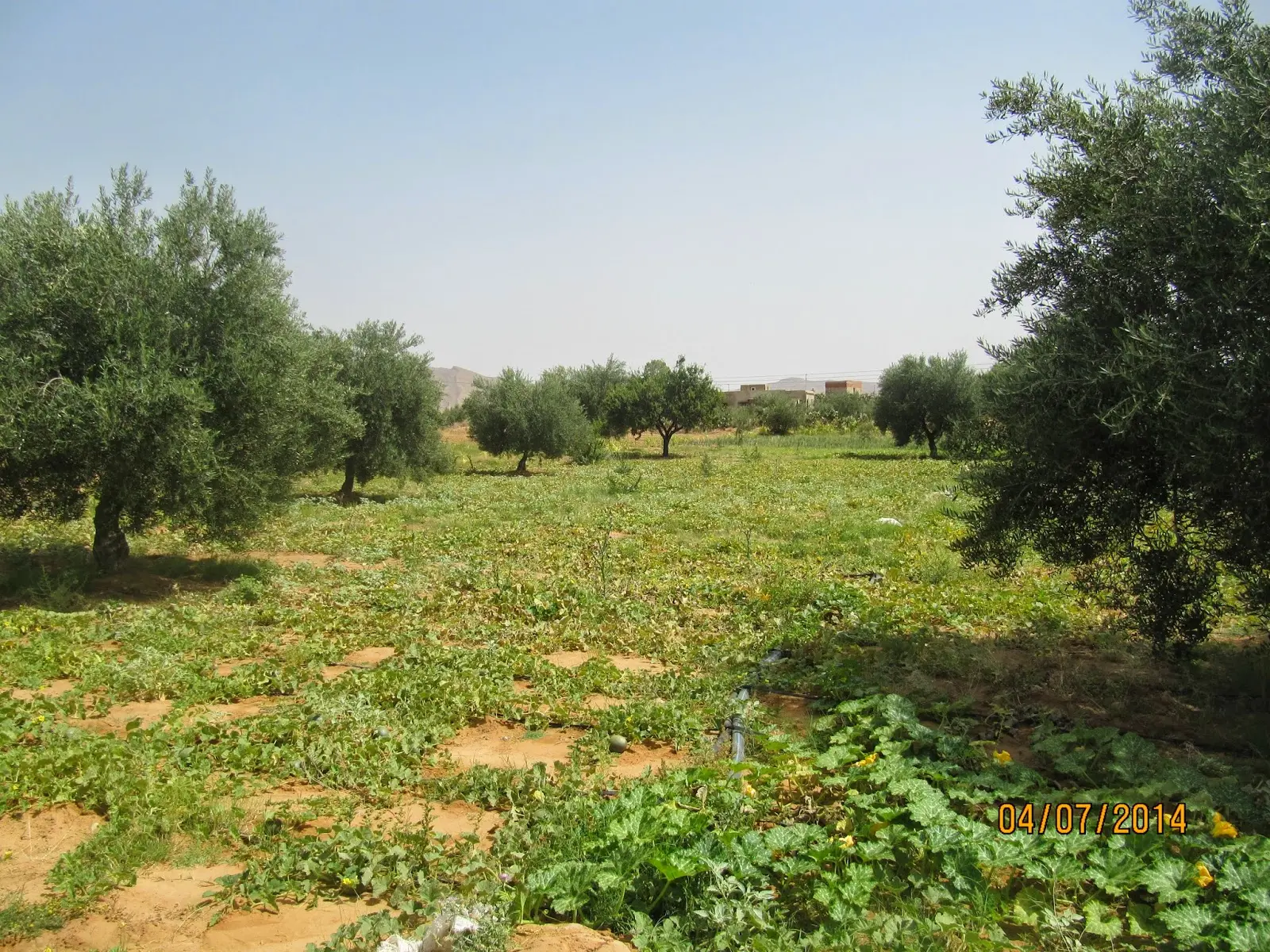 buy
Browse more property listings in the same area
Browse other popular searches in one click.
Sidi Bouzid governorate is one of the country's major farming regions, known for its open-field and greenhouse vegetables, its olive trees and its orchards. In the delegation of Sidi Bouzid Ouest, town and countryside meet: a few minutes from the residential estates, irrigated plots, olive groves and family farms begin. The land and farms page brings these two worlds together, the plot to build a house and the land to farm.
Sellers are almost always private individuals: farmers selling part of their holding, heirs dividing an estate, families selling a plot bought long ago. What is on offer varies from week to week. On houni.tn, land for sale across the whole of Sidi Bouzid governorate lets you compare with the neighbouring delegations.
Building plots in and around town
Around the Ennour and Ennasr estates, and more broadly on the edges of town, modest plots intended for a family house come up for sale. The first criterion is where the plot sits in relation to the urban development plan: a plot inside the municipal boundary, in an approved housing estate, can be built on with a standard permit. A plot outside it, on farmland, cannot in principle take a house without a change of land use, a long and uncertain procedure.
Before talking price, ask whether the plot is serviced: road access, drinking water, electricity, sewerage. A cheap plot at the end of a dirt track can cost a lot in connections. Ask also for the estate plan and the plot number, which you can check at the municipality. Those who prefer a house already built can look at the houses for sale in Sidi Bouzid Ouest.
Farmland: water before acreage
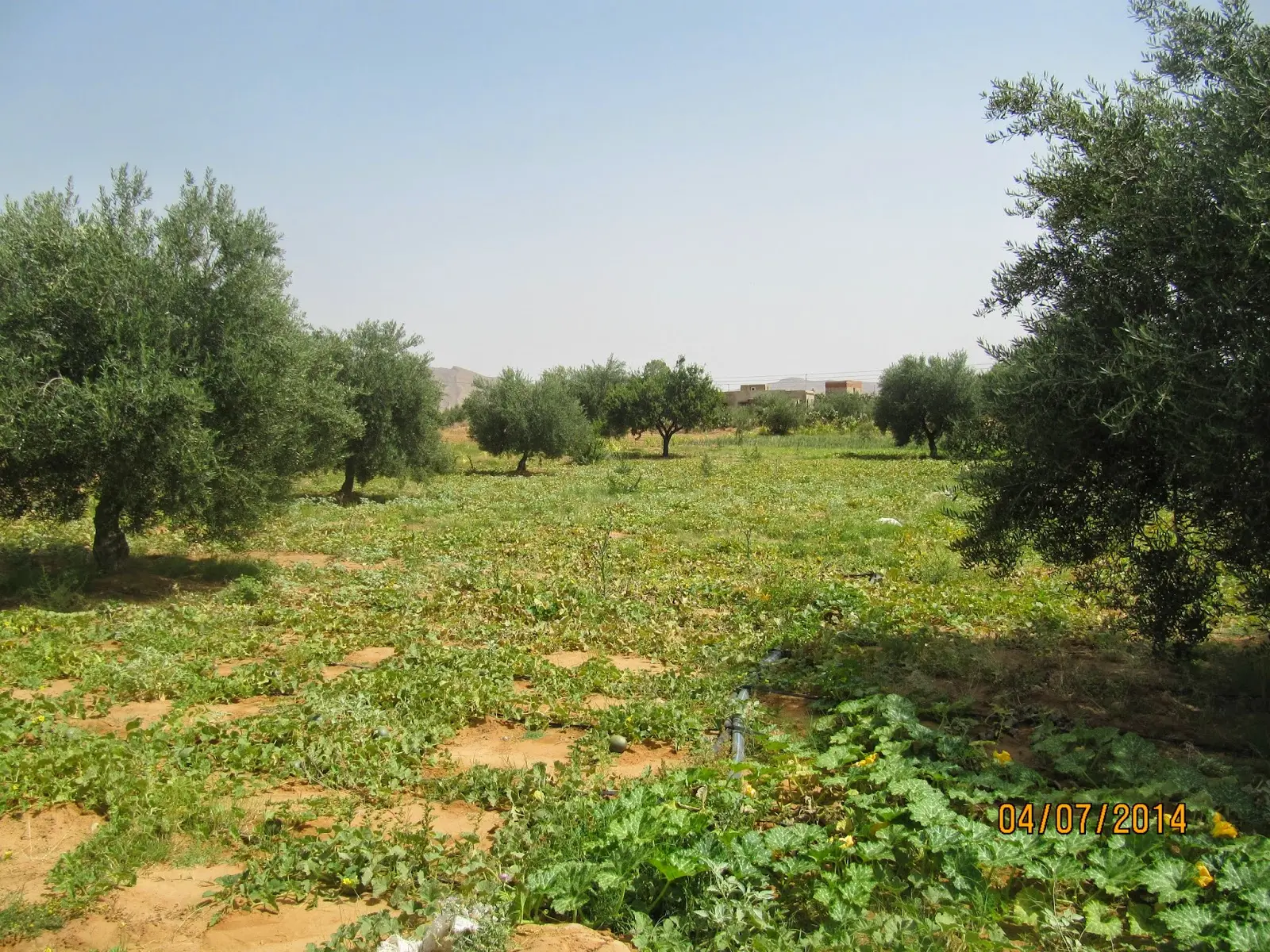
For farmland, the decisive question is water. A plot within a public irrigation scheme, or equipped with an authorised well or borehole, is worth a completely different price from dry land reserved for olives or cereals. Ask how it is irrigated, whether the borehole is registered with the regional agricultural services, and what flow it gives in summer, when the water table drops. A listing that mentions a "well" with no further detail deserves a visit with someone who knows the area.
Next come the plantings: the number and age of the olive trees, the condition of an orchard, whether there are greenhouses or a water tank. A shed, a caretaker's lodging or a three-phase power connection add value to a farm and justify a higher price. Conversely, bare dry land generally sells at modest levels, but its yield depends entirely on the rain.
Land status: collective land, joint ownership, title
The centre of the country has a particular land history. Part of the region's land comes from former collective tribal land, allocated and then privatised over the decades, and another part belongs or once belonged to the State domain. The result is a landscape where titled plots, plots with a mere allocation deed and plots held in joint ownership between many heirs sit side by side.
For a buyer, the rule is simple: no payment before you have seen the land title or the deed standing in for it, and before the notary or lawyer has checked the situation at the land registry. For land in joint ownership, every co-owner must sign. A foreign buyer cannot acquire farmland in Tunisia, which is worth knowing before making the trip.
When to buy
The land market follows the farming calendar. Many deals are closed after the harvest, when sellers have done their sums, and in summer, when people from the region who have settled elsewhere come back and look to invest. Visiting irrigated land in the height of summer remains the best test: that is when you see whether the water keeps up. For a housing project without land to manage, the property for sale in Sidi Bouzid Ouest offers another route.