
 buy
Land and farms for sale in Béja
9 listings found
buy buy
 buy
 buy
 buy
 buy
 buy
 buy
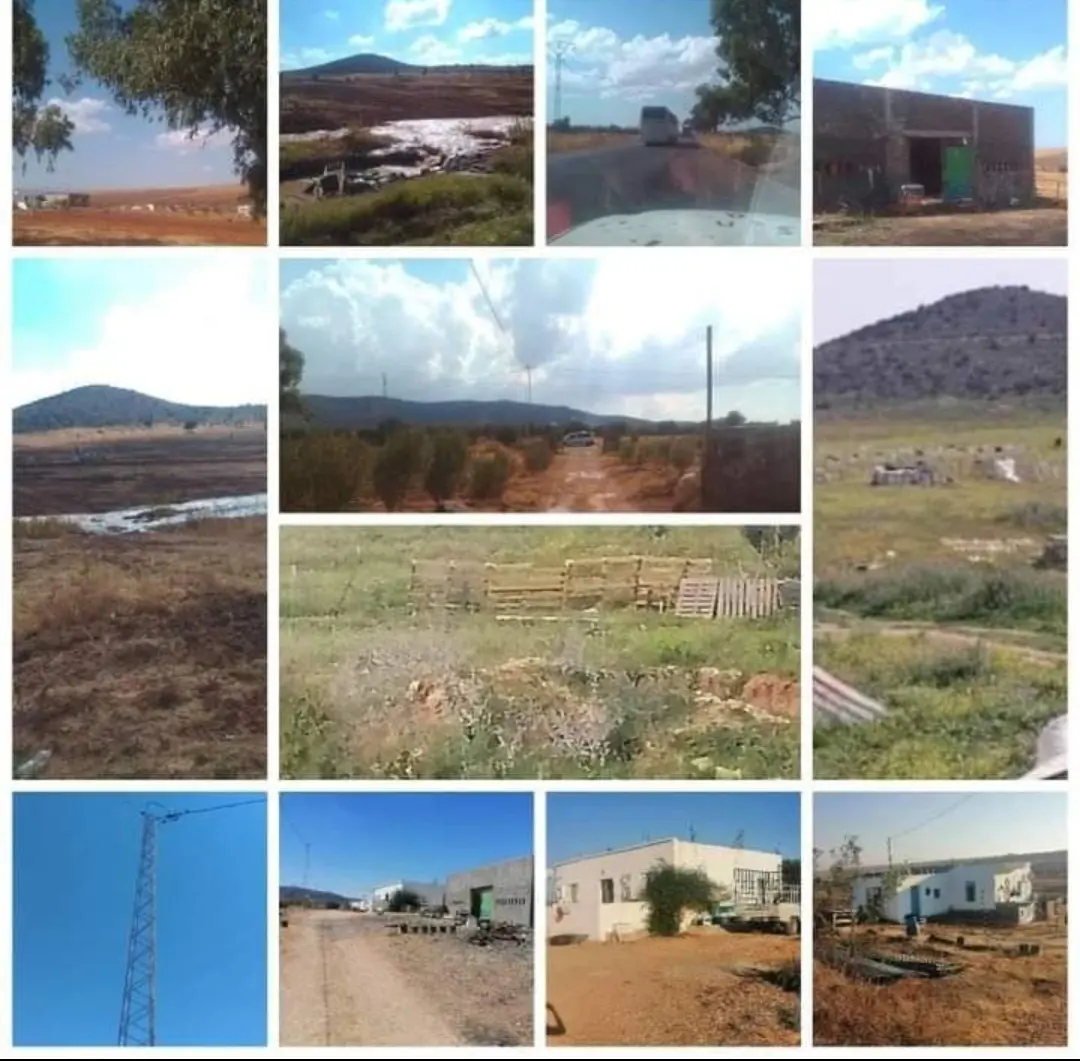 buy
Browse more property listings in the same area
Browse other popular searches in one click.
Béja governorate lives off its land. Between the Medjerda valley and the hills of the Tell, farmers grow durum wheat, barley, fodder crops and sugar beet, raise dairy cows, and further north the forest takes over. Land for sale in Beja, in the vast majority of listings, therefore means an agricultural plot or a farm, rarely a lot in a housing development. Buyers are first of all neighbouring farmers expanding their holdings, then livestock breeders, emigrant families who want to keep a foothold in the region and a few investors from Greater Tunis drawn by the motorway.
This page brings together land and farms from every delegation in the governorate. The supply online varies from week to week and comes mostly from private sellers, often heirs: you call the seller directly. The choice of delegation matters more than anything else, because between an irrigated plain on the Medjerda and a wooded hillside in Nefza, neither the soil, nor the use, nor the price bear comparison.
The plains: Béja Nord, Béja Sud and Medjez El Bab
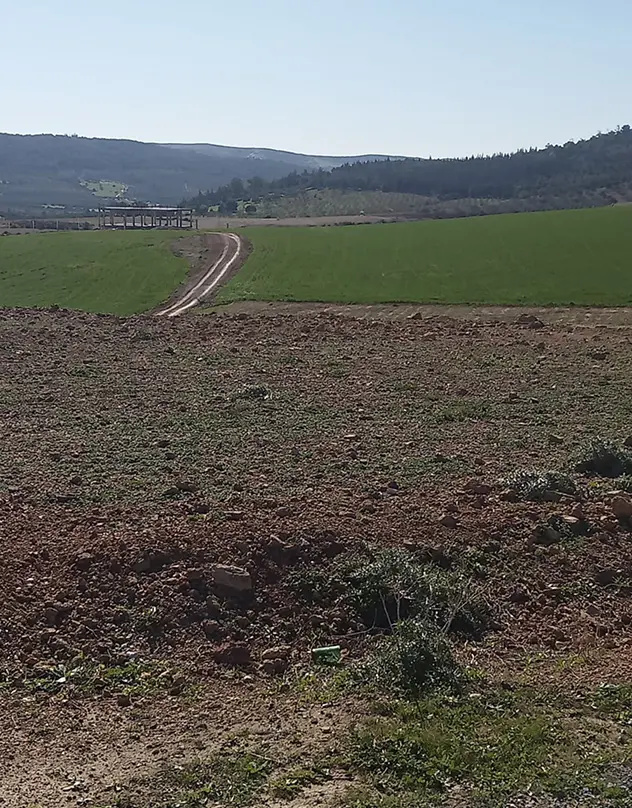
Around the governorate capital, the delegations of Béja Nord and Béja Sud form the cereal heartland of the governorate: large ploughed fields, deep heavy soils, farm tracks that turn slippery in winter. This is where wheat land in a single block is sold, from a few hectares up to full farm holdings, along with a few farms with a shed and a cowshed. The listings of land and farms for sale in Béja Nord cover the rural sectors around the town in detail.
Further east, Medjez El Bab benefits from the Medjerda and from lying an hour from Tunis. The irrigated land in the valley carries market gardening, fruit trees and fodder, and it costs considerably more than the rain-fed land on the neighbouring hills. Being close to the capital also attracts buyers looking for a plot with a small building for weekends: among the land for sale in Medjez El Bab, the line between a farm and a second home is often blurred, and that is exactly where mistakes about the land's zoning prove costly.
Testour and Teboursouk: olives, orchards and hills
South of the Medjerda, the landscape changes. Around Testour and the Sidi Salem dam, olive groves and orchards cover the valley terraces, and pomegranate trees are part of the scenery. Plots are smaller, often planted, and the price reflects the age of the trees as much as the surface area. A productive olive grove is not negotiated like bare land: ask for the harvest figures over several seasons and look at the trees after the winter pruning, when diseased trunks show. The land and farms for sale in Testour describe this local market.
Teboursouk, up in the hills, mixes olive trees, cereals on slopes and grazing land for sheep. The land is more rugged there and access is sometimes difficult after rain, but the price per hectare generally stays lower than in the plains, which appeals to livestock breeders.
Nefza and Amdoun: forest, rain and small plots
In the north-west, Nefza and Amdoun belong to another world. Rainfall is heavier, the hills are covered with cork oak and scrub, and the Nefza coast opens onto the Mediterranean. Much of the forest belongs to the State and cannot be sold: a listing offering a wooded plot calls for a serious check of its status. Private plots are often small and steep, used for livestock, some crops and beekeeping. The land for sale in Nefza also attracts rural tourism projects, with a real risk if the plot's classification does not allow building.
In Amdoun, farming is a family affair and land has been split up through successive inheritances. Prices are among the lowest in the governorate, but access, electricity and drinking water have to be checked one by one, on site.
What to check before buying land in Béja
First question: the land's designated use. Agricultural land does not become buildable because a road runs alongside it, and changing its designation is a long procedure that is rarely granted. The regional commission for agricultural development (CRDA) can tell you whether the plot lies in a protected zone or within an irrigated perimeter. For a building plot, the municipality and its zoning plan are what count.
Second question: water. An authorised well or borehole, a connection to a public irrigated perimeter or a simple cistern do not carry the same value. Ask for the written authorisations and, for a public perimeter, the status of the water charges. Third question: the title. Land in the region is often held jointly by many heirs, sometimes with a title never updated for two or three generations, and the sale needs every signature. Have a surveyor mark out the plot if its boundaries rest on a hedge or a wadi.
Finally, the farming calendar matters. Land is judged in spring, with crops standing, and sales are more readily concluded after the harvest. If you would rather find a country house already built, look at the houses for sale in Béja governorate at the same time, and the national page of land and farms for sale lets you compare with Le Kef or Jendouba.