
Rental Trends 2025 in Tunisia
Rental trends in Tunisia 2025: co-living, seasonal rentals, digitalization, and rent evolution.

Rental Trends 2025 in Tunisia
The rental market in Tunisia is rapidly evolving, driven by growing demand, tourism, and adaptation to new lifestyles. In 2025, severalmajor trends are shaping the sector.
1. Rise of seasonal rentals
- Strong demand in coastal cities: Hammamet, Sousse, Djerba, Kelibia.
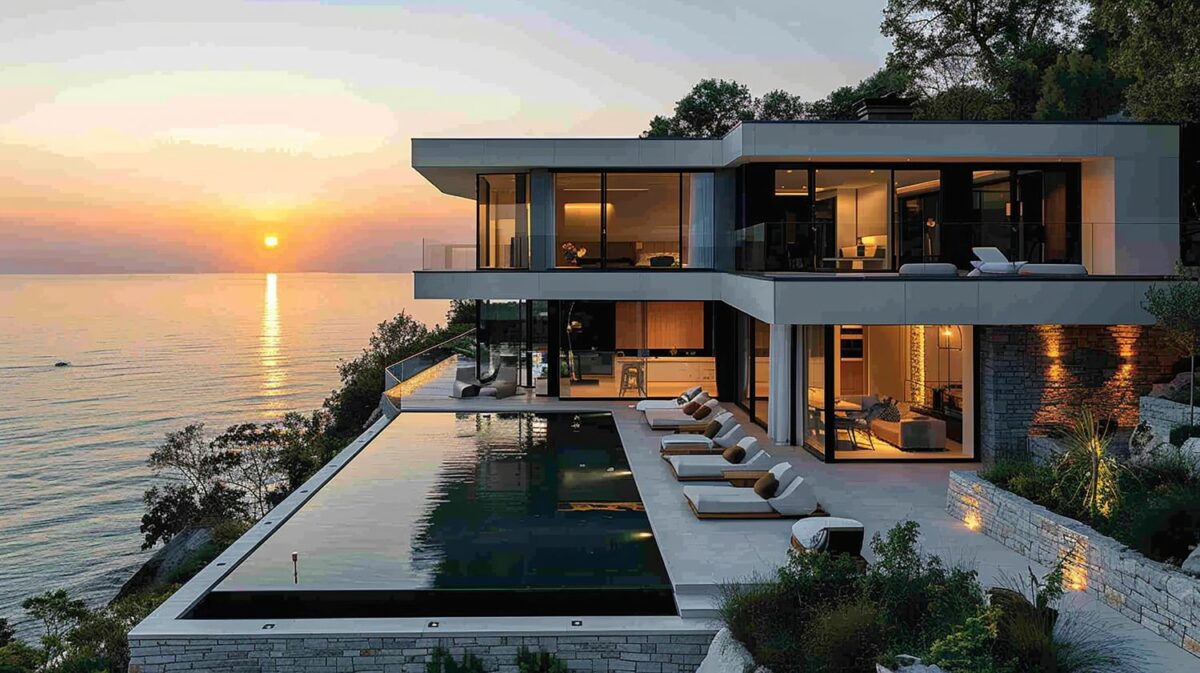
- Foreign and local tourists prefervillas with pools or seaside houses.
- Digital platforms (Airbnb, local sites) are becoming essential.
2. Growth of shared housing
- Highly popular amongstudents in Tunis, Sousse, and Sfax.
- Affordable solution amid rising rents.
- Expansion of hybrid student residences.
3. Comeback of furnished rentals
- Attractive to expatriates and temporary workers.
- Fully equipped apartments with modern amenities.
- Rents 15–20% higher than unfurnished rentals.
4. Digitalization of the rental market
- Online ads increasingly optimized (SEO, HD photos, 360° videos).
- Virtual visits and e-signatures of contracts.
- Growth oflocal specialized platforms.
5. Moderate rent increases in 2025
- Average rise of +5% in major cities (Tunis, Sfax, Sousse).
- Strong variations by district:
- Tunis Centre & Lac: high rents, strong demand.
- Suburbs: more affordable, attractive for families.
6. Hot rental zones
- Tunis: economic and academic hub.
- Sfax: strong demand for student apartments.
- Hammamet & Djerba: leaders in seasonal rentals.
- Nabeul & Kelibia: cheaper alternatives.
FAQ – Rentals in Tunisia 2025
Q: Will rents rise significantly in 2025?
A: A moderate increase is expected, mainly in big cities.
Q: Is seasonal rental more profitable?
A: Yes, especially in tourist areas during summer.
Q: Is shared housing legal in Tunisia?
A: Yes, but the lease must be clear and landlord-approved.
Conclusion
In 2025, the Tunisian rental market is marked bydigitalization,student co-living,seasonal rentals, and amoderate rent increase. Both tenants and landlords must adapt to make the most of these opportunities.
You may also like
 en
en
2 min read
Investing in Real Estate in Hammamet – 2025 Guide
Investing in Hammamet real estate in 2025: opportunities, top neighborhoods, profitability, and practical tips.
Read the article en
en
1 min read
Buying a Second Home in Tunisia – Guide 2025
Buying a second home in Tunisia: complete 2025 guide with tips, areas, and taxation.
Read the article en
en
4 min read
Best Banks for Mortgage in Tunisia 2026 — Rates Compared
Compare the best banks for a mortgage in Tunisia in 2026. Rates, conditions and requirements for STB, BIAT, BH Bank and Amen Bank — for residents and Tunisians abroad.
Read the article en
en
3 min read
Best Neighborhoods to Rent in Tunis 2026 — Prices & Guide
Complete guide to the best neighborhoods to rent in Tunis in 2026. Rental prices, pros and cons for Les Berges du Lac, La Marsa, Ariana, El Menzah and more.
Read the article en
en
3 min read
Property Tax in Tunisia 2026 – Complete Guide for Buyers & Investors
Complete guide to property taxes in Tunisia in 2026. Transfer tax, annual property tax, capital gains tax and exemptions explained for buyers, investors and TRE.
Read the article